



Question: When spring is cool and wet, how can I support healthy peppers and tomatoes?
Answer: Growing a successful vegetable garden in Indiana can certainly be a challenge. No two growing seasons are ever quite the same and it seems like we have different problems to deal with each and every year. When a year starts out with a cool and wet spring alternating with hot dry spells and heavy thunderstorms from time to time, this can make growing vegetables difficult. In particular, peppers and tomatoes really prefer more consistent moisture as opposed to lots of rain with hot dry temperatures in between.
Here are a few suggestions and hopefully your will find one or more to be helpful.
1. Try mulching your tomatoes and peppers. I use straw and it seems to really help during the hot dry times. It is not too late to add straw, leaf, or grass mulch to the base of your plants. If you use grass just make sure that herbicides have not been applied to the grass you use in your garden.
2. Try watering with a soaker hose rather that can run for a few hours. This helps prevent run off and gives the plants a more consistent source of moisture. Watering in the morning is also best and make sure to water at the base of your plants so that their leaves do not get wet.
3. Most garden plants do much better when their location is rotated each year. This cuts down on disease and is much better for the soil.
4. Add some vegetable garden fertilizer and water in well.
5. Try adding some organic matter around your plants and work in lots of organic matter this fall when you put the garden to bed. The hard clay soil we have around Hancock County gets compacted very easily and keeps nutrients and moisture from entering the soil. If your garden soil appears to be compacted try breaking up the soil near your garden plants very carefully so that moisture and nutrients can penetrate. For this job I typically do it by hand with a small garden fork tool.
I have included a link to a Purdue University article about tomato problems. https://hort.purdue.edu/ext/tomatotroubles.html
Thank you for contacting us and please feel free to do so again.
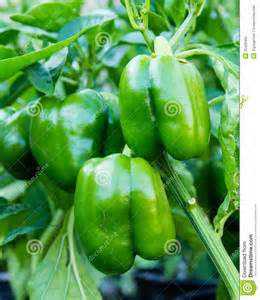 With the hot weather we have had recently pepper plants like most garden vegetables need additional and consistent watering. Anytime temperatures are in the upper 80’s to 90’s they will typically need to be watered every 3-4 days. Make sure you water deeply and do your best to water at the base of the plant while not getting any water on the leaves. A soaker hose is a great way to administer water to all garden plants in a slow steady manner. In addition; watering in the early morning is best for all plants in order to reduce the chances of disease. Good luck with your pepper plants.